Custom modeling and 3D printing in engineering polymers on an enclosed Bambu Lab H2S and H3C pair. Not a hobby queue — a shop that chooses the material for what the part has to survive.

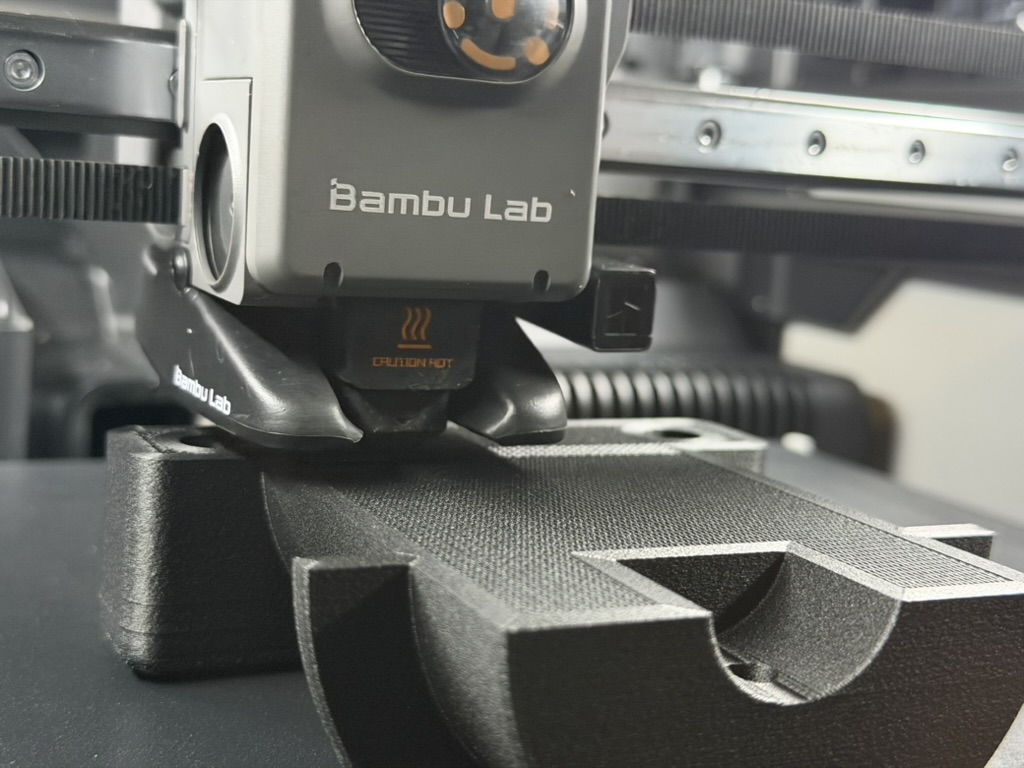
Carbon-fibre nylon, printing on the H3C. The layer texture is the material, not a defect.
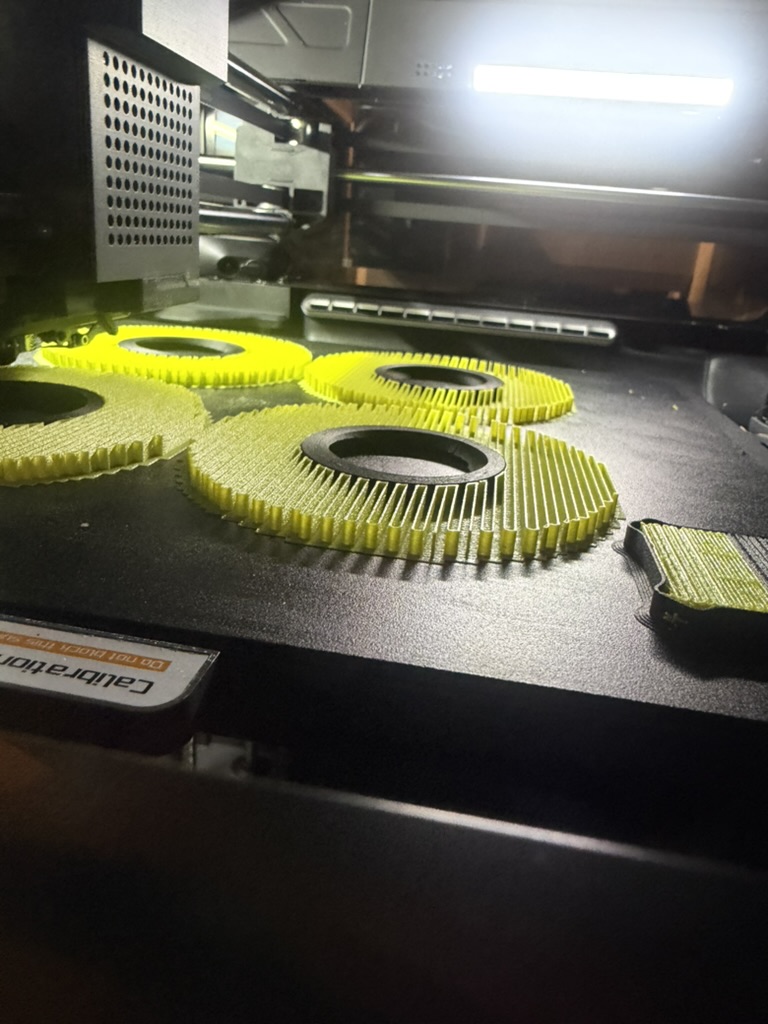
Two materials in one job — part material plus a separate support interface that comes away cleanly.
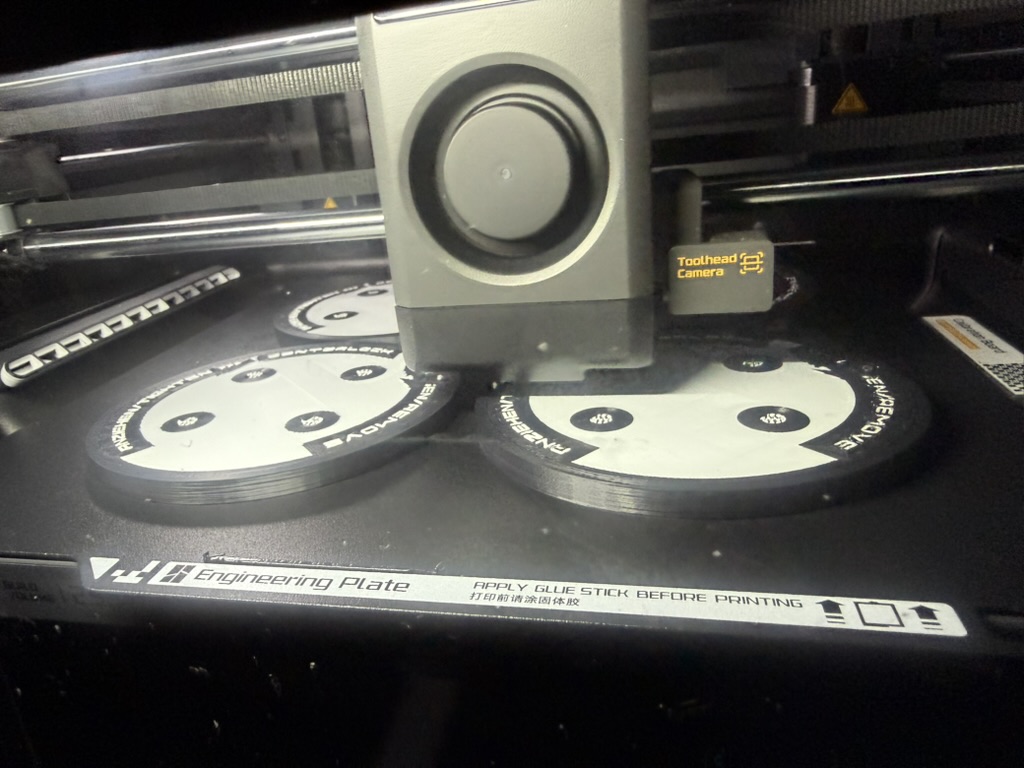
Adhesion prep on the engineering plate. Boring, and the reason large flat parts stay flat.
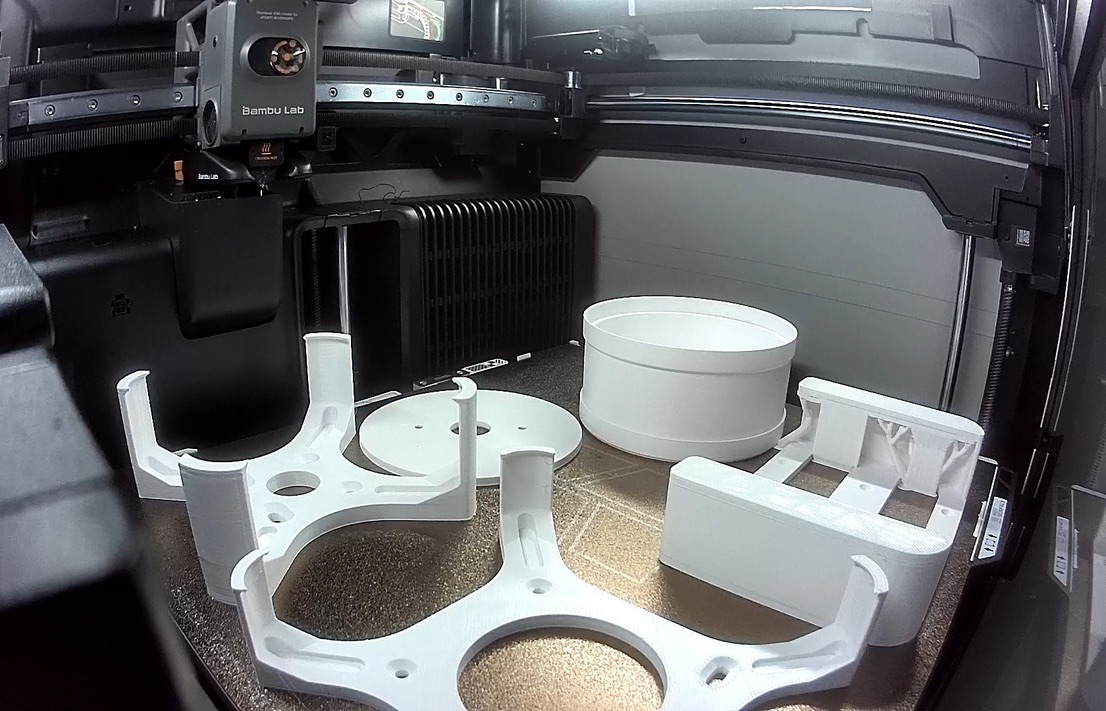
Several parts in one run, enclosed and chamber-held. PC does not behave on an open machine.
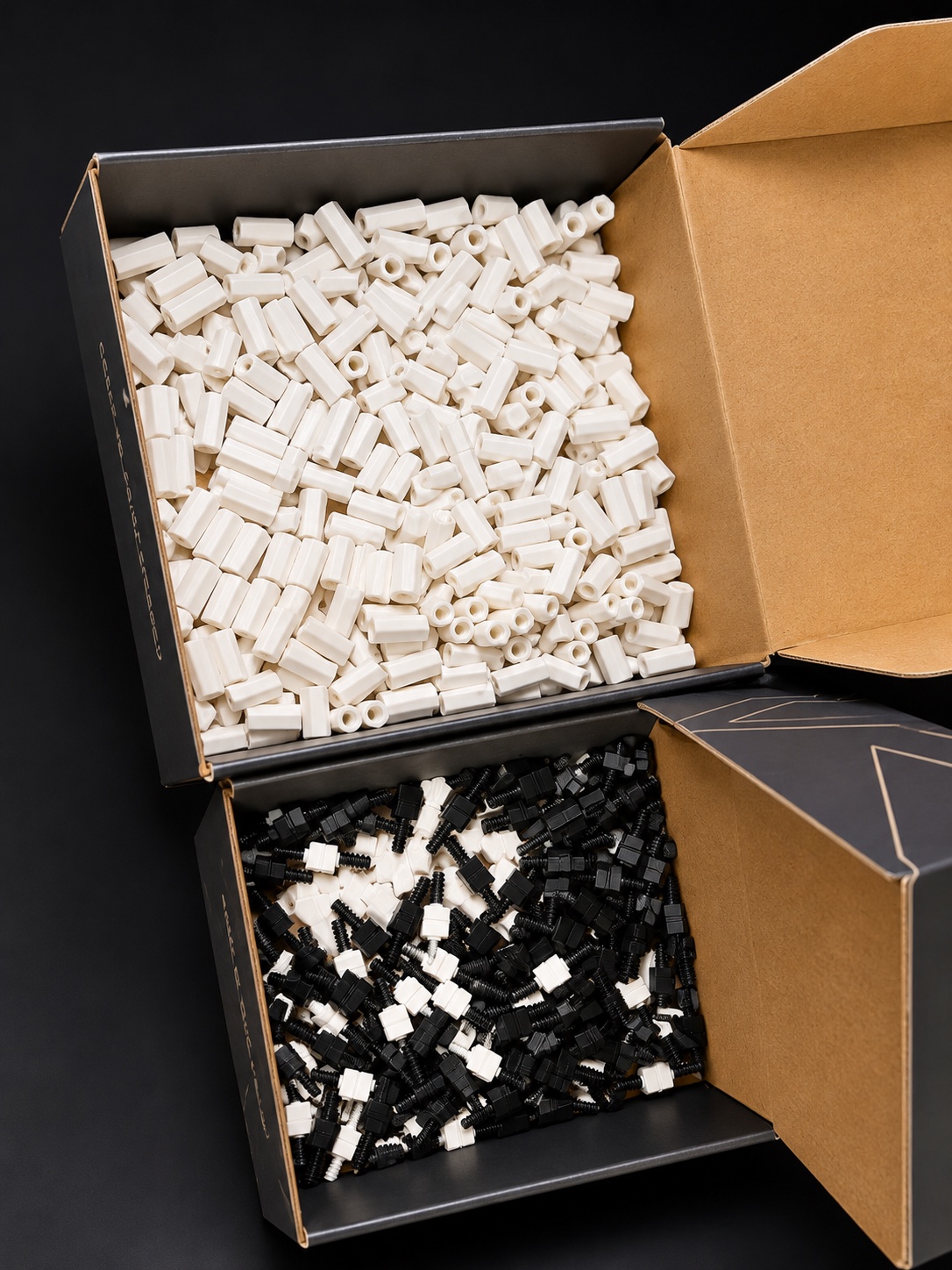
Hundreds of the same part. Printing a batch is cheaper than ordering one and waiting.
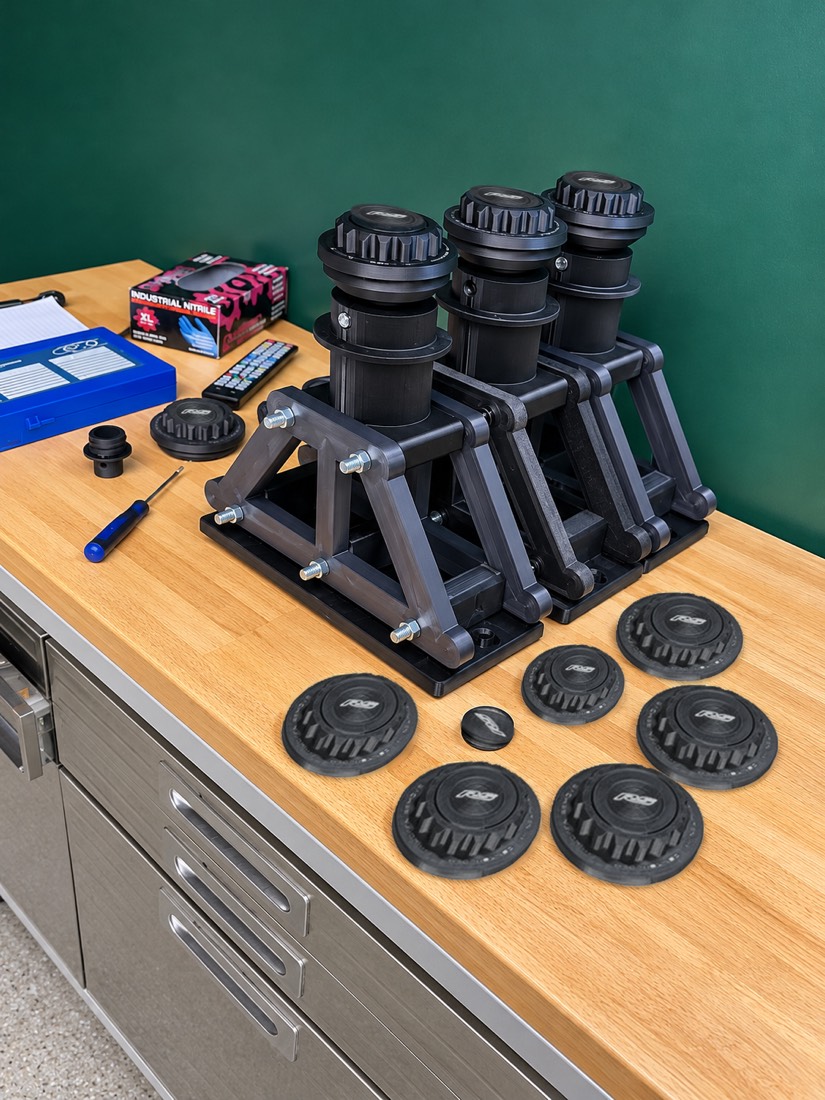
Finished adapters, assembled and bolted. Trussed frames, printed in production quantity.
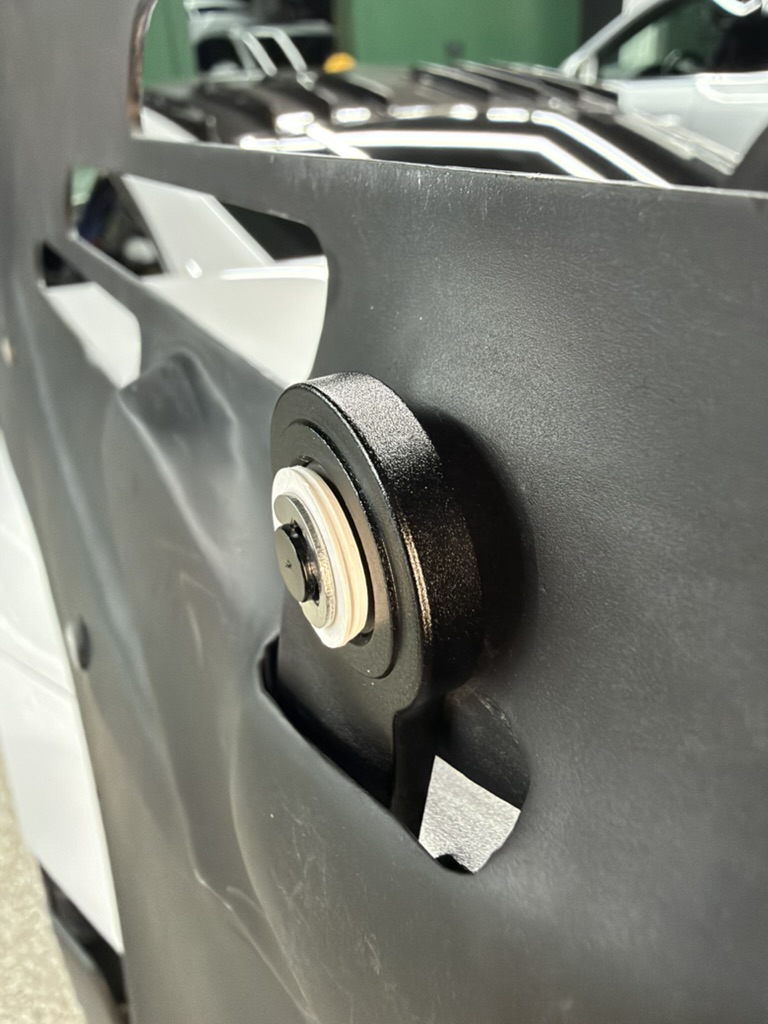
The included hardware wouldn't hold the pins. A durable low-friction ASA washer designed and printed to fix it.
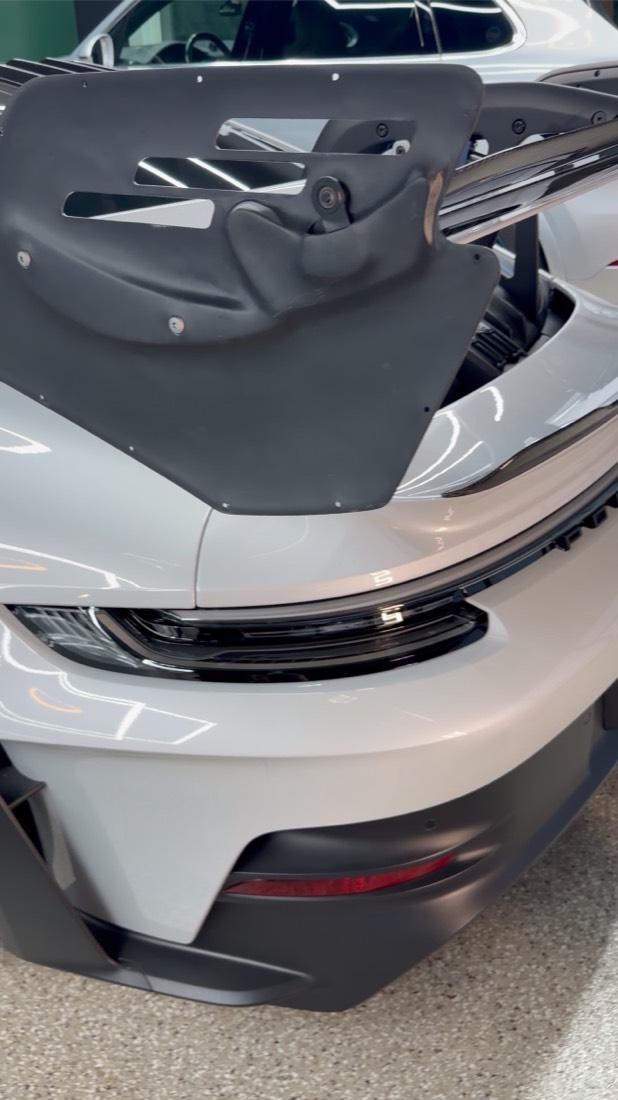
The DRS actuator on the wing of the development car. It had to work, not just print.
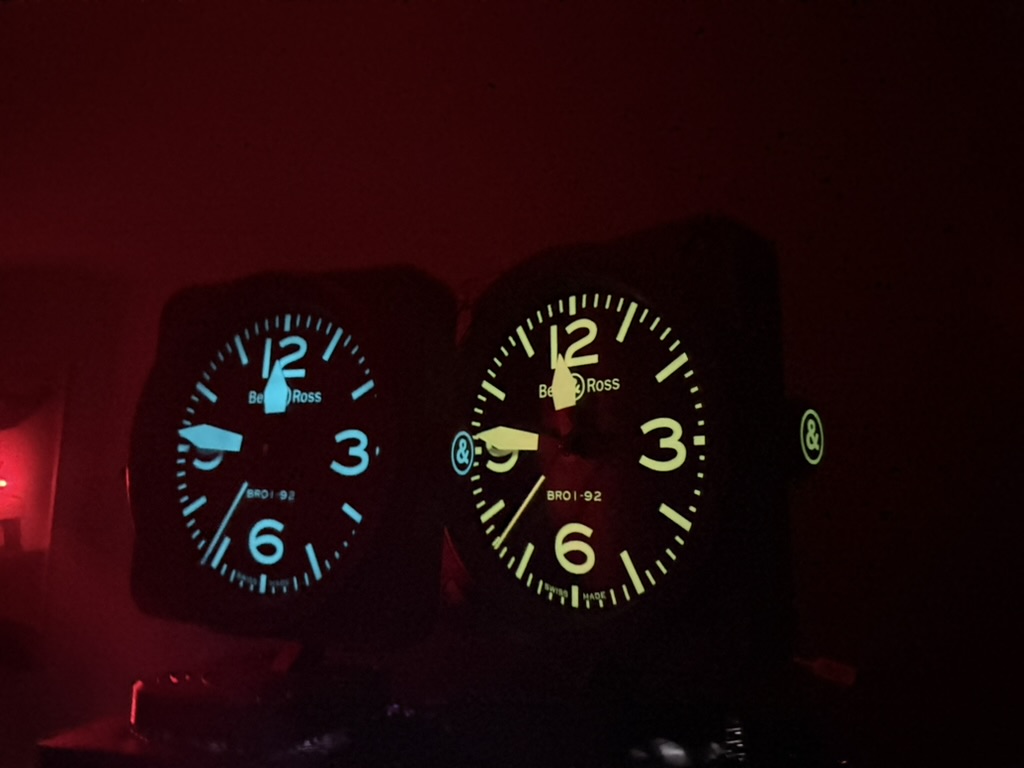
Printed lume work sitting in a Swiss watch. Precision geometry in a very small envelope.
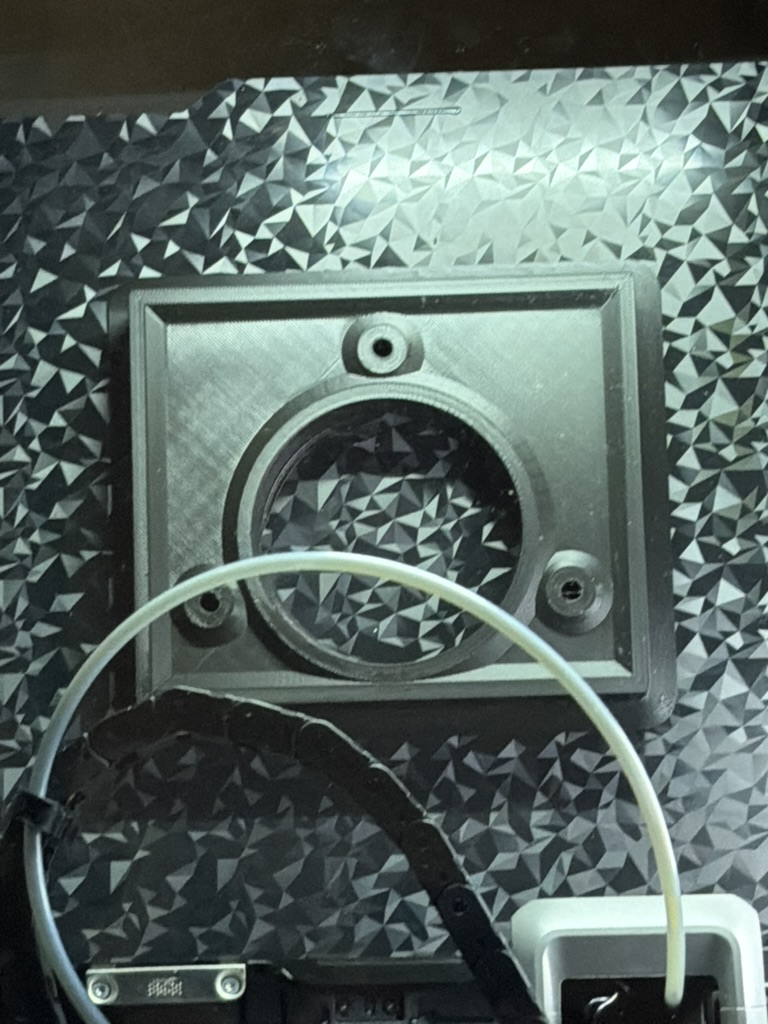
A printed bracket, mounted and working, with the run routed through it.
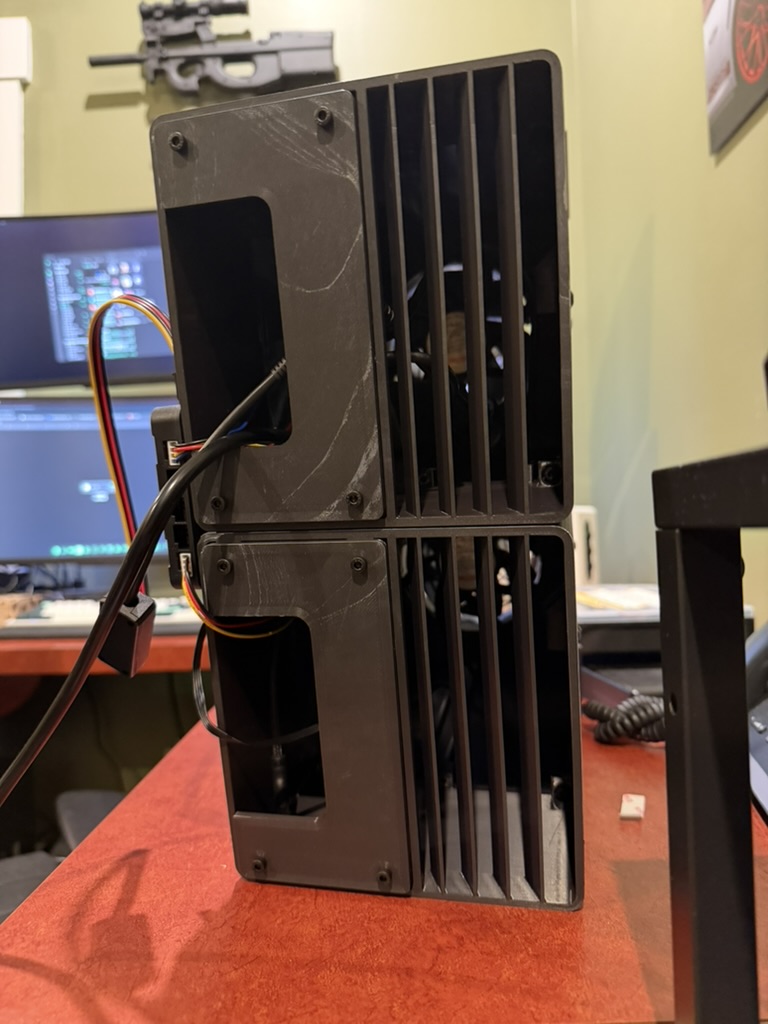
An enclosure for our own AI compute nodes — vented, cable-routed and built to fit the board rather than the other way round.
Most 3D printing fails because the material was picked for convenience. A part that lives outdoors in July, carries a load, or sits against a chemical gets a different polymer than a desk ornament — and sometimes gets a design change instead. We work that out before anything is printed.
Held in dry boxes, printed in an enclosed chamber. Everything listed is stocked and printable here. PEEK is the only common engineering polymer we can't do.
A sketch on paper, a photo, a caliper reading, a broken original or a CAD file already half-finished. We model to the constraint that matters — the mating surface, the load path, the clearance — rather than to a decorative shape.
We pick the polymer from load, heat, chemicals, UV and outdoor exposure. That conversation happens before the print, not after a part fails.
Both machines are fully enclosed with glass doors. That is what makes ABS, ASA, PC and PA printable at all — draught-free chambers stop the layer shrinkage that warps open-frame prints.
Materials live in AMS HT and AMS 2S dry boxes and stay there between jobs. Nylon and PET-CF print badly the moment they absorb moisture, and a dried spool is the difference between a functional part and a stringy one.
Our own AI systems paired with cloud compute handle modeling, parameter work and the iteration around a part — so a revision is minutes, not another vendor round-trip.
Once a part is right, the profile and material are on record. Reorder and it comes back the same instead of being reinterpreted.
Dimension, fit checks and anything purely cosmetic. Cheap, fast, dimensionally consistent — we use it to prove a part before it costs money in a real material.
Tougher and slightly flexible, chemically stable, handles UV outdoors. Brackets, clips, jigs, enclosure parts and anything that lives on a wall.
ASA for outdoor and sunlight exposure, ABS for impact and heat where UV isn't the issue. Enclosed chambers, so they actually stay dimension-stable instead of curling.
Very high impact and heat resistance — machine guards, protective covers, parts near heat sources or motors.
Nylon and carbon-filled nylon. High strength, high temperature, real structural duty: load-bearing brackets, tooling, gearbox-adjacent parts.
Carbon-fibre PET — stiff, dimensionally stable, low moisture pickup versus nylon. Fixtures and metrology-adjacent parts where the part must not creep.
Shore-rated flexible parts: gaskets, seals, vibration isolators, feet, grips and bumper parts that need to give instead of crack.
Chopped carbon and glass-filled variants across the lines above for stiffness where aluminium would mean machining time and cost.
Machine guards, covers and safety shrouds
Jigs, fixtures and assembly aids
Brackets, mounts and standoffs
Discontinued or obsolete part replacement
Cable management and panel hardware
Gaskets, seals, feet and isolators
Prototype housings and fit-check models
Small-batch production runs
We are an IT and engineering shop that owns the machines. Your part isn't queued behind a hundred hobby orders, and the same people who modeled it answer for it.
You get the CAD model, not just an object. Rework it, send it to a machinist later, keep it in your records — it's yours.
We run everything except PEEK. It needs a hotter hotend and a heated chamber than these machines carry, so we say so rather than quote it and quietly substitute.
A printer, not a print shop. We are an IT and engineering shop that owns the machines. Your part isn't queued behind a hundred hobby orders, and the same people who modeled it answer for it.
The file is the deliverable. You get the CAD model, not just an object. Rework it, send it to a machinist later, keep it in your records — it's yours.
PEEK is the one gap. We run everything except PEEK. It needs a hotter hotend and a heated chamber than these machines carry, so we say so rather than quote it and quietly substitute.
Parts come off the bench and go into networks, kiosks, cabinets and machine builds we're already responsible for. If a print needs a bracket wired, a mounting hole in a panel, or an enclosure to live in, that's the same phone call.
A sketch, a photo with a ruler in it, or the cracked original is enough to start.
Monday–Thursday 9 AM–5 PM · Friday 9–5 PM